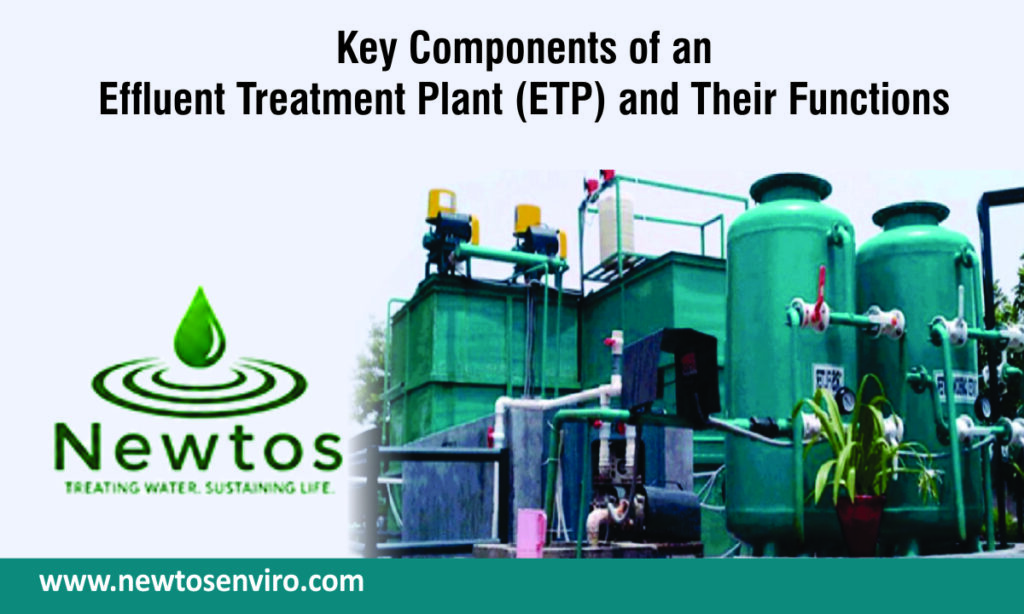
Such processes usually result in wastewater, which is full of different pollutants like chemical components, suspended solids, oils, and heavy metals. This water should be processed adequately before its discharge or reuse. The Effluent Treatment plant ETP is intended to remove these contaminants by treating them through predetermined stages. Every component of the system has its own job in enhancing the quality of water, and also ensuring the system works efficiently. Newtos Enviro India Pvt. Ltd. is a recognised supplier of water & waste water treatment solution. They develop ETP systems tailored to meet the needs of different industries.
Collection and Equalisation Tank
The treatment process starts with the collection and equalisation tank. This tank is used for collecting industrial waste water from different production units before treatment. The equalisation tank is also used to more consistently regulate the flow and concentration of pollutants as the quality and quantity of wastewater can change throughout the day.
This component smoothens the fluctuations in the property of effluents. This improves the efficiency of the succeeding treatment process. It further reduces rapid variations in load which could affect the performance of other treatment units. Newtos Enviro India Pvt. Ltd develops equalisation systems which help operate plants in a steady fashion and deliver companies reliable treatment results.
Primary Treatment Unit
The first treatment stage is designed to remove bigger suspended particles, floating debris and oils from the wastewater. Normally this portion contains screens, grit chambers, oil and grease traps and primary clarifiers.
These components remove solid debris and floating contaminants before the wastewater goes to the next stage. Early elimination of larger contaminant particles reduces the burden of biological treatment systems. Primary treatment is essential in minimizing equipment damage and improving efficiency at the water treatment facility.
Biological Treatment System
Bio Treatment Unit is among the key parts of an Effluent Treatment plant ETP. In this process, the organic matter that exists in a dissolved form within the sewage water is biologically treated using micro-organisms. Based on the needs of the treatment, the process can either be aerobic or anaerobic biological treatment.
The pollutants like Biological Oxygen Demand (BOD) and Chemical Oxygen Demand (COD) are greatly lowered by effective biological treatment. This stage is very important to improve the water quality before further polishing. Newtos Enviro India offers biological treatment solutions with an aim of providing effective performance and long term operational reliability.
Tertiary Treatment and Disinfection
The third stage of treatment further enhances the quality of water by removing tiny suspended particles, colour, dissolved pollutants and dangerous micro-organisms. Tertiary treatment could involve pressure sand filters, activated carbon filters, membrane filtration technology, or advanced oxidation techniques, among others.
There are also various disinfection treatments available that include ultra violet (UV) treatment and chlorination, which could be used to avoid any microbial pollution before discharge or recycling of the water. Newtos Enviro India Pvt. Ltd is at the forefront in providing the latest technologies for tertiary treatment of water for industrial establishments.
Conclusion
Every unit of Effluent Treatment plant ETP is important for the treatment of industrial wastewater. Each step is important in creating treated water that fulfils regulatory standards, from equalisation and primary processing to biological processes and sludge handling to tertiary filtration. The appropriate choice of the combination of treatment technologies is very important for the effective and dependable operation of the plant.